Introduction
In the high-stakes atmosphere of healthcare, every second counts. Understanding medical facility codes and procedures is essential for doctor, initially responders, and even laymans trained in Basic Life Support (BLS). This write-up delves into different facets of health center codes and protocols from a BLS point of view, emphasizing the relevance of communication, quick activity, and adherence to established guidelines. We'll explore fundamental vs sophisticated life support strategies, effective methods for examining responsiveness, recognizing no breathing, public defibrillator usage, BLS qualification demands, and much more.
Hospital Codes and Procedures Explained: A BLS Perspective
When we talk about health center codes and methods, we're basically discussing a standard language that guarantees effective interaction amongst doctor. These codes range from emergency situation scenarios to regular healthcare facility operations. As an example, the widely known "Code Blue" represents a client requiring immediate resuscitation initiatives because of heart attack. Comprehending these signals can encourage both doctor and spectators throughout vital situations.
What Are Healthcare facility Codes?
Hospital codes are succinct expressions or terms that interact specific situations or emergencies within a healthcare setup. They're developed to minimize panic while guaranteeing quick feedback. Right here's a malfunction of some generally utilized healthcare facility codes:
- Code Blue: Cardiac arrest; immediate resuscitation is needed. Code Red: Fire alert; emptying treatments may be necessary. Code Yellow: A bomb risk has been reported. Code Orange: Unsafe product spill or exposure.
These codes ensure every person on personnel understands the circumstance promptly without unnecessary explanation-- rate is commonly crucial in emergencies.
Understanding Protocols in Healthcare
Protocols refer to established procedures that lead health care professionals in supplying care effectively and safely. They include whatever from just how to handle emergency situations like cardiac arrests to day-to-day operational procedures such as person check-ins. In BLS training, participants find out specific methods for examining people' problems and offering instant assistance.
Basic vs Advanced Life Assistance: What's the Difference?
When it comes to life support training, there are 2 main levels: basic life support (BLS) and advanced life assistance cpr refresher course near me (ALS).
Basic Life Support (BLS)
BLS includes fundamental strategies that anybody can find out. It includes:
- Checking responsiveness Identifying no breathing Performing breast compressions Using an Automated External Defibrillator (AED)
BLS concentrates on maintaining people till sophisticated assistance arrives.
Advanced Life Assistance (ALS)
ALS goes beyond basic techniques and consists of innovative interventions such as:
- IV drug administration Advanced respiratory tract management Monitoring heart rhythms with telemetry
These abilities typically require added training and are executed by paramedics or healthcare providers with specialized education.

The Significance of Checking Responsiveness
One of the primary steps in any type of emergency circumstance is checking responsiveness. Asking simple inquiries like "Are you okay?" aids establish if the individual is aware. If they don't react:
Call for help immediately. Assess their breathing. Prepare to start mouth-to-mouth resuscitation if there's no sign of breathing.This swift action can make all the difference between life and death.
Identifying No Breathing: The Essential Step
It's essential to distinguish between regular breathing and no breathing at all during an emergency analysis. If someone shows up less competent however has actually labored breaths or gasps (agonal breathing), this still warrants immediate interest as it might indicate an extreme clinical crisis.
Look for upper body rise. Listen for breath sounds. Feel for air from their mouth or nose.If there's no evidence of breathing after 10 secs, it's time to start CPR right away!
Public Defibrillator Use: A Lifesaving Tool
Public accessibility defibrillators (PADs) have actually become significantly offered in places like shopping center, gyms, institutions, and offices. Understanding exactly how to make use of these tools can dramatically increase survival rates throughout heart emergencies.
How to Make use of a Public Defibrillator
Turn on the AED: The majority of gadgets will certainly provide voice prompts once activated. Attach pads: Position them on the bare chest as illustrated on the device. Analyze rhythm: Permit the AED to evaluate whether a shock is needed. Deliver shock if advised: Make certain no one is touching the client when providing a shock.Training programs usually consist of simulations utilizing AEDs so people feel great using them during real-life situations.
BLS Qualification Requirements
For any person thinking about ending up being licensed in Basic Life Support, several companies supply training courses which cover vital abilities required in emergency situations:
- American Heart Association (AHA) American Red Cross National Security Council (NSC)
Certification usually requires completion of a program adhered to by an exam demonstrating effectiveness in vital skills like CPR strategies-- taking turns on compressions when numerous rescuers are present ends up being essential here!

The Duty of Maintaining Calmness Throughout Emergencies
When confronted with high-pressure circumstances such as cardiac arrests or injury situations, keeping calmness comes to be vital-- not just for your purpose however additionally for those relying upon your activities! Panic can cloud judgment; consequently:
Take deep breaths before coming close to any type of rescue scenario. Focus only on jobs at hand rather than frustrating emotions. Remember that having actually practiced these skills makes you much more ready than you think!FAQs Regarding Hospital Codes & & Protocols
1. What should I do if I come across a person unresponsive?
If you find somebody less competent:
- Check responsiveness by drinking their shoulder delicately while asking if they're okay. Call 911 immediately if there's no response. Check their breathing; begin CPR if necessary.
2. Just how often ought to I renew my BLS certification?
Typically, BLS accreditations need renewal every two years; nonetheless, talk to your licensing organization as some might mandate much more constant updates based on market standards.
3. Can anyone make use of an AED?
Yes! Public gain access to defibrillators are made for use by anyone regardless of clinical training-- just adhere to voice triggers provided by the device itself!
4. What's the right compression rate during CPR?
The advised compression price is between 100-- 120 compressions per minute-- maintaining this speed maintains effective blood circulation until more assistance arrives!
5. Just how do I determine agonal gasps?
Agonal gasps show up irregularly spaced breaths or shallow breathings happening periodically-- they indicate severe distress despite the fact that they may resemble typical respiration in the beginning glance!
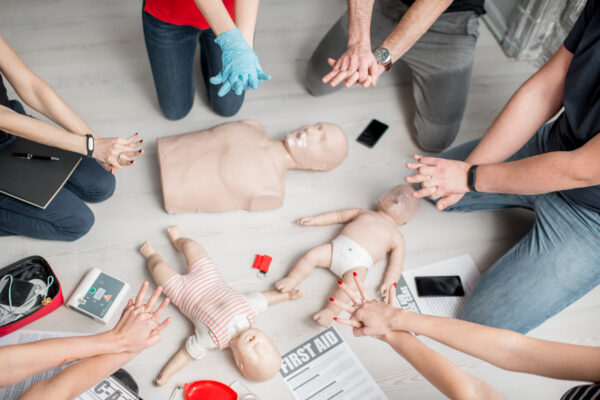
6. Why is taking turns on compressions important?
Taking turns prevents rescuer tiredness which might result in slower compression prices-- aiming for optimum blood flow guarantees extra reliable resuscitation efforts overall!
Conclusion
In recap, understanding hospital codes and methods from a BLS perspective furnishes both laypersons and professional -responders with essential expertise that can save lives during cpr express refresher course medical emergencies-- whether via performing basic life support methods or utilizing modern gadgets like public gain access to defibrillators! As we've explored today-- from examining responsiveness down through understanding advanced treatments-- the objective stays consistent across all methods: prompt action leads directly toward better results when lives hang in balance! So why wait? Furnish on your own with these life-saving abilities today via official training programs offered right around you!